How Social Skills Training Benefits Children in Care
PunjabiHeadlines ( Harmanpreet kaur) Children in foster care often face unique emotional and social challenges. Many struggle with trust, communication, and self-confidence due to past trauma and unstable environments. Social Skills Training (SST) plays a vital role in helping these children build healthy relationships, express emotions effectively, and integrate into society with confidence.
Why Social Skills Training Matters
“Building Bridges: How Social Skills Training Empowers Children in Care”
Children in care often experience emotional distress, attachment issues, and social withdrawal. SST provides them with structured guidance to:
✅ Improve Communication – Learning how to express feelings, ask for help, and engage in conversations.
✅ Build Confidence – Encouraging children to believe in themselves and develop a positive self-image.
✅ Develop Empathy – Teaching them to understand others’ emotions and respond appropriately.
✅ Manage Conflict – Learning peaceful conflict resolution and teamwork skills.
Key Social Skills Foster Children Need
1️⃣ Active Listening – Helps children form meaningful connections.
2️⃣ Emotional Regulation – Teaches them how to handle stress and frustration.
3️⃣ Problem-Solving – Encourages independent thinking and decision-making.
4️⃣ Non-Verbal Cues – Understanding body language and facial expressions for better interactions.
The Role of Caregivers & CYC Workers
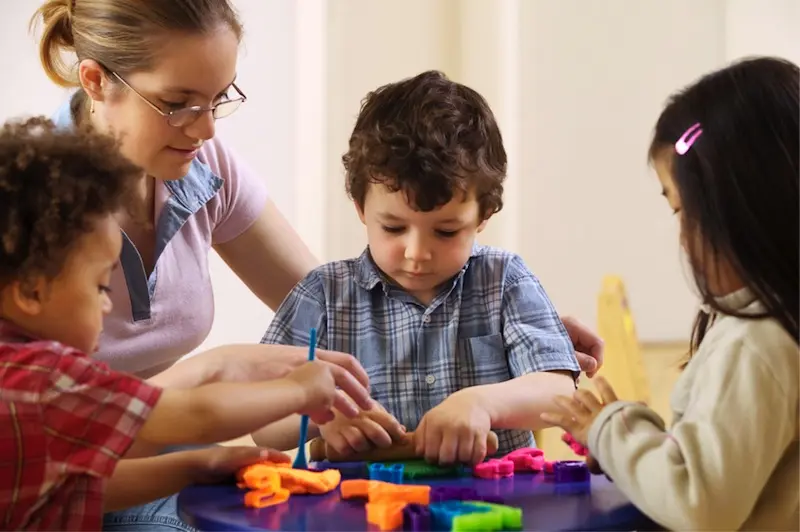
???? Foster parents, teachers, and Child and Youth Care Workers (CYCWs) play a crucial role in SST. By creating a supportive and patient environment, they help children practice and apply social skills in daily life. Activities like role-playing, group discussions, and structured playtime can significantly improve social development.
Success Stories
Many children in foster care who receive social skills training show remarkable improvement in their ability to make friends, express themselves, and succeed in school and social settings. With continued support, they can overcome past trauma and build strong, healthy relationships for a better future.
Final Thoughts
???? “Every Child Deserves a Voice, a Friend, and a Bright Future!”
Social skills training is not just about making friends—it’s about giving children the tools to navigate life confidently. By investing in these essential skills, we empower children in care to grow into emotionally strong and socially capable individuals.
Would you like to add real-life case studies or additional insights?