
Ludhiana (punjabi head line Harminder singh kitty)The heart is a strong muscle in your body. It pumps out about 70 milliliters (two ounces) of blood every time it beats. And it does this over three billion times in the average person’s lifetime. The cardiovascular system – comprising your heart and the vessels which carry blood around your body – literally keeps your cells functioning. It supplies vital nutrients such as amino acids and electrolytes. It carries oxygenated blood to cells, and carries away waste carbon dioxide. It helps you fight off disease, and even stabilizes your temperature.1
A healthy heart is crucial for proper functioning. It pumps blood and delivers oxygen and essential nutrients throughout the body.
According to the World Health Organization, cardiovascular diseases (CVDs) are the leading cause of death worldwide, killing approximately 18 million people each year. Heart attacks and strokes account for four out of five deaths from these diseases.
Cardiologists say that maintaining a healthy heart is a daily necessity. For a healthy adult, this means a resting heart rate between 60 and 100 beats per minute.
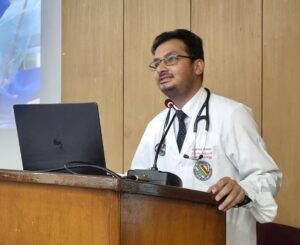
The Christian Medical College & Hospital, Ludhiana cardiologist Dr. Gurbhej Singh says, “We can reduce any damage to the heart from an early age of life by maintaining a good diet, regular exercise and staying away from tobacco.”
Be physically active. You can slowly work up to at least 2½ hours (150 minutes) of moderate-intensity aerobic physical activity (e.g., brisk walking) every week or 1 hour and 15 minutes (75 minutes) of vigorous-intensity aerobic physical activity (e.g., jogging, running) or a combination of both every week. Learn the American Heart Association’s Guidelines for Physical Activity in Adults and in Children.
In your 20s
Getting smart about your heart early puts you far ahead of the curve. The things you do — or don’t do — have an impact on how long and how well you’re going to live.
Find a health care professional and have regular wellness exams. Healthy people need doctors, too. Establishing a relationship with a physician means you can start heart-health screenings now. Talk to your health care team about your diet, lifestyle and any other concerns. Make sure to have them regularly check your blood pressure, cholesterol, heart rate, blood sugar and body mass index.